
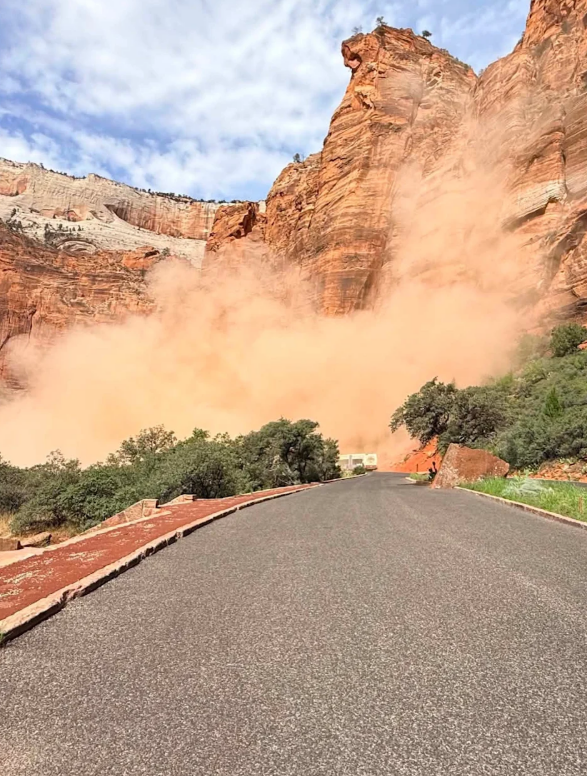
SPRINGDALE, Utah — Visitors planning a trip to Zion National Park should prepare for temporary nighttime closures of the Zion–Mt. Carmel Highway Tunnel beginning September 21, 2026.
According to the National Park Service (NPS), the closures are connected to a Utah Department of Transportation construction project involving installation of fiber-optic cable in the region. The scheduled closures are currently set for September 21–25 and September 28–30, from 9 p.m. to 6 a.m.
Official source: Zion National Park — National Park Service
Zion–Mt. Carmel Tunnel Closure Dates
| Date | Closure Time |
|---|---|
| September 21, 2026 | 9 p.m.–6 a.m. |
| September 22, 2026 | 9 p.m.–6 a.m. |
| September 23, 2026 | 9 p.m.–6 a.m. |
| September 24, 2026 | 9 p.m.–6 a.m. |
| September 25, 2026 | 9 p.m.–6 a.m. |
| September 28, 2026 | 9 p.m.–6 a.m. |
| September 29, 2026 | 9 p.m.–6 a.m. |
| September 30, 2026 | 9 p.m.–6 a.m. |
The NPS says the schedule could change depending on UDOT’s construction timetable.
Why Is the Zion Tunnel Closing?
The temporary closures are associated with a UDOT fiber-optic cable construction project.
During the closure period, the affected section runs between the east entrance of the Zion–Mt. Carmel Tunnel and Canyon Junction. Drivers should therefore check road conditions before traveling through the area, particularly if they plan to arrive or leave Zion during nighttime hours.
The NPS says alternate routes could add approximately 10 to 45 minutes to a journey, depending on the route and destination. Suggested alternatives include:
- Utah 20
- Utah 14
- US 89 → Arizona 389 → Utah 59
Visitors should check current road information before setting out because construction schedules can change.
Zion National Park Is Open
Despite the nighttime tunnel work, Zion National Park remains open.
The NPS current-conditions page says the park is open every day of the year, 24 hours a day, although individual facilities, permit offices and campgrounds can have seasonal operating schedules.
This means the tunnel construction should not be interpreted as a park-wide closure.
Visitors should distinguish between:
Park status: Open
Tunnel: Temporary nighttime closures on scheduled construction dates
Other roads/trails: Conditions can change independently and should be checked before departure.
Zion Shuttle Schedule Changes for Fall 2026
Another important update for September and October visitors is the seasonal Zion Canyon shuttle schedule.
From September 13 through October 24, 2026, the Zion Canyon Line is scheduled to operate with:
- First shuttle from Zion Canyon Visitor Center: 7 a.m.
- Last shuttle from the Visitor Center: 6 p.m.
- Last shuttle from Temple of Sinawava: 7:15 p.m.
The Springdale Line is scheduled from 8 a.m. to 7 p.m. during the same period.
What changes after October 24?
Beginning October 25, shuttle hours are reduced further.
The Zion Canyon Line is scheduled to operate from 7 a.m. until 5 p.m., with the last shuttle from Temple of Sinawava at 6:15 p.m. The Springdale Line is scheduled from 8 a.m. until 6 p.m.
The NPS warns visitors not to rely on the final shuttle because a full bus or a missed departure could leave hikers facing a very long walk back.
Can You Drive Your Car Through Zion Canyon?
During shuttle season, private vehicles are generally not permitted on the Zion Canyon Scenic Drive.
Visitors can park at the Zion Canyon Visitor Center or in Springdale and use the free shuttle system. The Zion–Mt. Carmel Highway, Kolob Terrace Road and Kolob Canyons Scenic Drive remain available to private vehicles subject to current road conditions and restrictions.
The NPS says the shuttle does not require a separate ticket, reservation or permit; visitors still need to pay the applicable park entrance fee.
Angels Landing Permit Update for Fall Visitors
Angels Landing remains one of Zion’s most sought-after hikes, but hikers need to pay attention to the park’s permit system.
The NPS continues its Angels Landing Pilot Permit Program. For 2026, the fall hiking season covers September 1 through November 30. The seasonal lottery application period for those dates was July 1–20, with permits issued July 25.
However, visitors who did not receive a seasonal permit can still participate in the day-before lottery.
For a hike the following day, applications can be submitted from 12:01 a.m. through 3 p.m. Mountain Time, with permits issued at 4 p.m.
The NPS says hikers may be asked to show their permit and identification along the trail.
Zion Fall Hiking: Weather Remains an Important Factor
September can be an attractive time to visit Zion, but visitors should not assume that fall conditions eliminate weather-related risks.
The NPS has repeatedly warned about rapidly changing weather and flash-flood risks during the summer-to-early-fall monsoon period. Storms can develop upstream from a visitor’s location, meaning apparently clear conditions inside a canyon do not necessarily mean the area is safe.
This is particularly important for hikers entering narrow canyons.
The NPS advises visitors to check:
- Current weather forecasts
- Flash-flood potential
- Park alerts
- Trail-specific conditions
- Narrows flow conditions
before entering canyon areas.
Is The Narrows Open?
The Narrows does not have a permanently guaranteed open status.
According to the NPS current-conditions information, the Narrows can close when the Virgin River flow exceeds 150 cubic feet per second and when the National Weather Service issues a Flash Flood Warning.
Because conditions can change rapidly, travelers should check the official Zion conditions page immediately before attempting the hike.
Large Vehicle Restrictions Remain Important
Visitors driving larger vehicles should also be aware of restrictions on the Zion–Mt. Carmel Highway.
The NPS says large vehicles are not allowed on the highway between Canyon Junction and the East Entrance when they exceed the applicable size limits. Vehicles affected by the restriction must use an alternate route through Springdale.
The NPS previously announced that these restrictions took effect on June 7, 2026, with the stated objectives of improving safety, preserving historic features and reducing delays along the 10.7-mile route.
Zion National Park Visitor Numbers and Crowds
Zion remains one of America’s heavily visited national parks.
The NPS said Zion recorded nearly 5 million visits in 2025, illustrating why visitors can encounter crowded parking areas, shuttle lines and busy trailheads during peak periods.
For travelers planning a fall trip, arriving early and having a backup plan can help reduce problems associated with parking, shuttle demand and changing weather.
What Visitors Should Know Before Traveling to Zion
If you’re planning a Zion National Park trip in late September or October 2026, keep these points in mind:
1. Check the tunnel schedule
The Zion–Mt. Carmel Tunnel is scheduled for nighttime closures from September 21–25 and September 28–30, 9 p.m.–6 a.m.
2. Plan your route
Nighttime detours can add roughly 10–45 minutes depending on your route.
3. Check the shuttle timetable
The fall schedule changes after September 12 and again after October 24.
4. Don’t miss the final shuttle
Hikers should allow plenty of time to return to the shuttle stop.
5. Check Angels Landing permit requirements
A permit is required for the chain section of Angels Landing.
6. Monitor weather
Flash floods can develop rapidly, especially around canyon environments.
7. Check official alerts before leaving
Road, trail and weather conditions can change after an itinerary has been planned.
What Could Be Coming Next at Zion National Park?
The next major visitor-facing change on the 2026 calendar is the transition toward late-fall shuttle operations.
From October 25 through November 28, the Zion Canyon shuttle is scheduled to operate on reduced hours. Shuttle service is then scheduled to pause from November 29 through December 25, before returning temporarily from December 26 through January 2.
Visitors planning Thanksgiving and early-winter trips should therefore pay particular attention to the seasonal transportation schedule.
Road conditions can also become increasingly important later in the year as winter weather arrives.
Zion National Park Latest Update: Key Takeaways
The biggest immediate development is the scheduled Zion–Mt. Carmel Tunnel nighttime construction closures beginning September 21.
At the same time, Zion is moving through its fall transportation schedule, with shorter shuttle operating hours than during the peak summer period.
For hikers, Angels Landing permits remain mandatory, while weather and flash-flood monitoring remain essential for canyon activities such as the Narrows.
The park itself remains open, but conditions and individual facilities can change, so travelers should check the latest National Park Service information shortly before their visit.
Editorial note: The most important details above come from the National Park Service’s September 15–16, 2026 updates; construction dates are subject to change.